Lately, seed oils have been getting a lot of attention online, and not the good kind. Maybe you’ve seen someone on social media warning, “Avoid all seed oils!” or “They’re toxic! They cause inflammation!”. Some brands are even going so far as to slap “seed oil-free” certifications on their packaging (umm, yes!)
We get it. It’s easy to feel uncertain when there’s so much information and misinformation floating around. But here’s the thing: not all seed oils are created equal, and not everything you hear online is the full story.
So, let’s slow down and talk about it.
First: What Even are Seed Oils?
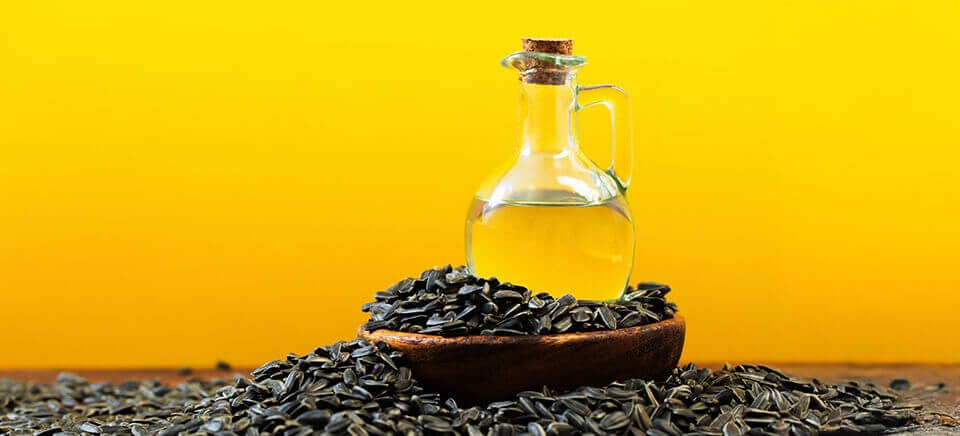
Seed oils are exactly what they sound like: oils extracted from the seeds of plants. This includes sunflower, canola, soybean, safflower, grapeseed, and a few others. These oils are commonly used in cooking, baking, and, yep, in many of your favorite snacks.
Somewhere along the way, “seed oils” got lumped into a big, scary-sounding category. But that’s like saying all cars are bad because one broke down.
Myth #1: “All seed oils cause inflammation.”
This is probably the biggest and most misunderstood claim.
Here’s what the science actually says: Linoleic acid, which is the main fat found in many seed oils (like sunflower), does not increase inflammation in the body. In fact, some studies show it may even help lower certain inflammation markers.
- A 2024 study published by Verywell Health found that people who consumed more seed oils had lower levels of inflammation and were at reduced risk for type 2 diabetes.
- The American Heart Association and Harvard Health recommend polyunsaturated fats (the type found in seed oils) over saturated fats, such as butter or coconut oil. Read it here.
So, where did the inflammation idea come from? Honestly, it’s likely a mix of outdated animal studies and online theories that just took off.
Myth #2: “Omega-6s in seed oils are bad.”
We’ve seen this one too: that omega-6 fatty acids throw your body out of balance.
It’s true that omega-6 and omega-3 fatty acids need to be balanced in your diet. But most of us don’t have to worry unless we’re eating only ultra-processed foods and never getting any omega-3s from sources like fish, walnuts, or flax.
In real-life eating habits, including seed oils in a varied diet is perfectly fine. Most health professionals encourage getting your fats from a mix of sources, and seed oils fit right into that.
Here are the fatty acid profiles of various oils. We’ll it to you decide what works best:

Myth #3: “They’re processed with chemicals and unsafe.”
This one comes up a lot, especially with concerns around hexane, a solvent sometimes used during oil extraction.
Here’s what people often don’t hear: during the refining process, hexane is completely removed. Regulatory agencies like the FDA and European Food Safety Authority have reviewed it and consider the trace levels (if any) that remain in oils to be safe for human consumption.
In simpler terms, modern refining doesn’t leave dangerous chemicals in your oil. It just doesn’t.
Moreover, not all oils are extracted using a chemical process. Less refined oils are extracted naturally using pressure. Look for cold-pressed, natural-pressed, or expeller-pressed oils if you’re concerned with any chemical extractions
Myth #4: “They break down when heated.”
There’s a grain of truth here, but it’s often misunderstood.
Yes, all oils (even olive or avocado) can degrade if you heat them too high or reuse them over and over again. That’s why fast-food fryer oil, for example, can become problematic when used day after day.
But in home cooking? Or in snack preparation, where oil is used carefully and only once? You’re totally in the clear.
Sunflower oil, especially high-oleic naturally-pressed sunflower oil (more on that in a second), is very stable for cooking and baking. It doesn’t easily break down the way people fear.
So…Why Are We Hearing All This Now?
Honestly? A lot of the pushback against seed oils has been driven by influencer trends, not nutritional science. It’s easier and more convenient to take a 30-second video clip as the gospel, vs. taking the time to review scientific studies. Who has the time for that these days?
Some brands are trying to carve out a “health halo” by promoting themselves as seed-oil-free It’s a savvy marketing move, but it also leaves consumers feeling confused, or worse, afraid of oils that are perfectly fine.
It’s not that coconut or avocado oil is “bad,” but the idea that seed oils are inherently unhealthy? That just isn’t backed by actual research.
Let’s Talk About Sunflower Oil
We use high-oleic sunflower oil in our products, and we want to be transparent about why.
- It is made from a special kind of sunflower that’s naturally higher in good fats, specifically oleic acid.
- It is rich in heart-healthy monounsaturated fats, the same kind found in olive oil.
- It has a neutral taste and a high smoke point, making it a reliable and safe option for baking or cooking.
- It’s non-GMO and rich in vitamin E (an antioxidant that supports your cells and immune system).
High-oleic sunflower oil is a thoughtful, balanced choice that allows us to keep your snacks delicious and aligned with smart nutrition. Ours is also naturally expeller-pressed, meaning it’s extracted without harsh chemicals: just pure pressure.
So What Should You Do?
Let’s keep it simple:
- If you like using olive oil for your salad, great.
- If you cook with avocado oil, awesome.
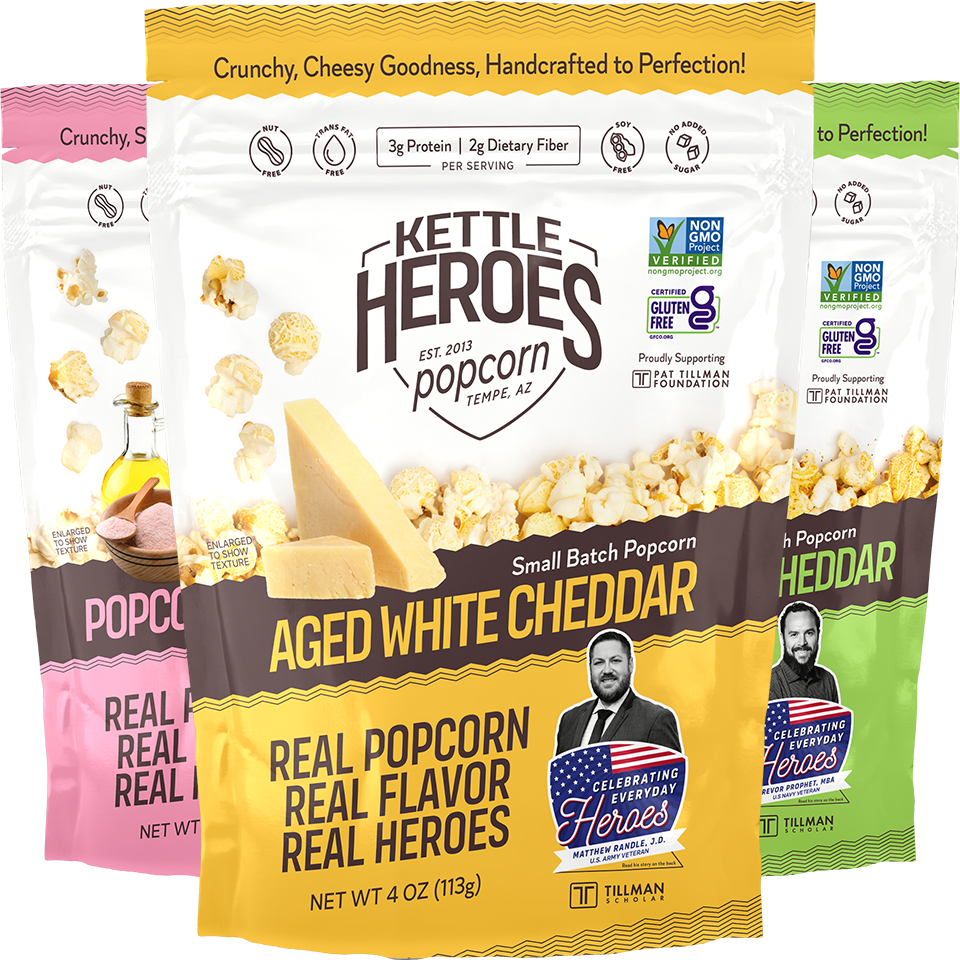
- If you enjoy snacks made with high-oleic sunflower oil, like your favorite Kettle Heroes popcorn, feel good about it.
There’s no reason to fear seed oils, especially when they’re used properly, in moderation, and as part of a well-rounded diet.
In fact, major health organizations still recommend them as better alternatives to saturated fats like coconut, butter, tallow, or lard.
Don’t Fear. Understand.
It’s completely understandable to have questions, especially when influencers and brands are shouting bold claims from every direction.
But at the end of the day, we believe in leading with facts, not fear.
Seed oils, including sunflower oil, aren’t the villains they’ve been made out to be. They’re just one piece of the bigger picture when it comes to eating well and feeling good.
So whether you’re packing a school lunch, grabbing a quick snack between meetings, or enjoying a weekend movie night, we want you to feel confident and comfortable with what’s in your food.
And that includes our choice to use high-oleic sunflower oil, which is sourced locally here in the USA, because it’s safe, stable, and backed by science.
Have more questions?
We’re always happy to chat.
Email our founder at [email protected]. Rudi will personally respond to your concerns and questions.
Transparency matters, and your peace of mind matters even more.