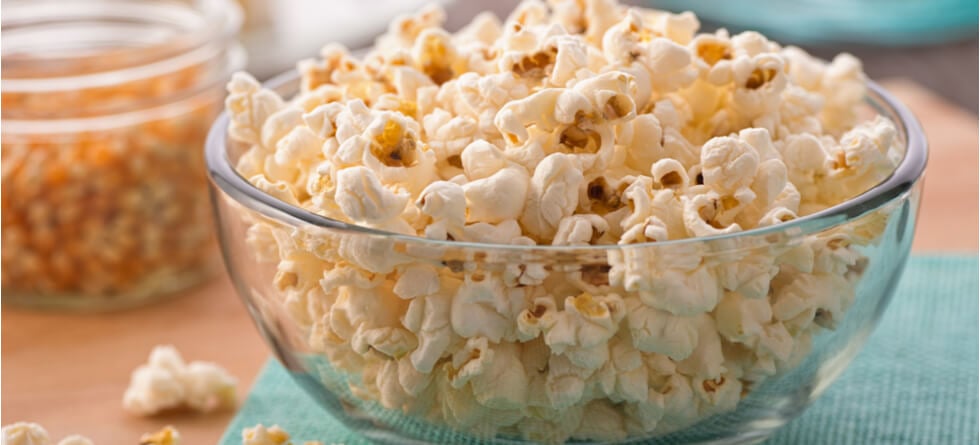
Nobody can deny that popcorn is one of the world’s most popular snacks. Its glorious presence has long spread outside the movie theatres and entered our homes, amusement parks, parties, and, yes, our lunchboxes. Research says that we consume 60 billion cups of popcorn nationwide each year.
People enjoy popcorn on various occasions today; from mindless snacking on the couch with your family to a fancy popcorn bar at your friend’s wedding reception – popcorn is gladly consumed everywhere.
In addition, the fat-free version of popcorn has impressive health benefits. This yummy, low-calorie snack belongs to the family of whole grains. It is high in a number of essential nutrients that may promote heart health and reduce the risk of diabetes, inflammation, and hypertension.
Popcorn contains several vitamins and minerals, such as Vitamin B1, Vitamin B3, Vitamin B6, iron, zinc, potassium, copper, magnesium, and phosphorus.
In addition, popcorn contains phenolic acid, which is a type of antioxidant. A diet high in antioxidants can reduce the risk of heart disease, cancer, and other diseases because antioxidants hunt free radicals from the body cells, preventing or reducing the damage caused by oxidation.
Finally, popcorn can have an important weight-management role due to its low-calorie count. If consumed plain, popcorn can be a great snack solution to help you avoid weight gain.
But how do you take your popcorn? Do you prefer it salty or sweet?
What is Kettle Popcorn?
Kettle corn is a sweet variety of popcorn popular in the United States. It is typically seasoned with a white and brown refined sugar, salt, and oil blend.
It is called kettle popcorn because this variety of popcorn was originally popped in cast iron kettles. However, today you can use a variety of pots and pans to prepare kettle popcorn. So, it is incredibly easy to make at home and just as addictive.
What is the Difference between Kettle Popcorn and Regular Popcorn?
Kettle corn is a variety of corn that was initially made in the kettle – people would oil a large iron kettle and cook the corn. Once the popcorn has popped, it is tossed with a sugar and salt mixture to give it a savory taste and distinct texture.
Regular popcorn belongs to a corn variety that bursts open and puffs when exposed to high temperatures, releasing the moisture trapped inside the kernel. Hence the name.
The regular variety of popcorn could be found almost anywhere in the past. At the same time, kettle corn was reserved for events such as carnivals and fairs.
Here are the most significant differences between kettle popcorn and regular popcorn:
- Classic popcorn is mostly popped with oil and butter, while kettle popcorn is traditionally air-popped in an iron kettle.
- Regular popcorn is considered a healthy snack. While kettle popcorn has similar health benefits, you should watch the sugar.
- Regular popcorn is a classic salty snack, while kettle popcorn has a sweeter flavor.
Choosing between Sweet and Savory
Most people like their popcorn salty. Salt is usually used to season savory popcorn. Butter, cheese, cinnamon, caramel, and other flavors can also be added.
On the other hand, kettle popcorn has a dominant sweet flavor. Therefore, adding sugar to popcorn during the cooking process is critical to creating the perfect blend of sweet and salty flavors.
While generally a sweet snack, kettle popcorn can be found in a variety of delicious flavors to suit every taste.
Air-Popped vs. Oil-Popped Popcorn
The method of preparation gives popcorn its character. Both kettle corn and regular popcorn can be prepared using hot air or oil.
When it comes to calorie count, there isn’t much difference between oil-popped popcorn and popcorn that has been popped on air. According to the United States Department of Agriculture (USDA), each cup of air-popped popcorn counts 31 calories. In comparison, a cup of popcorn fried in oil contains 41 calories. However, cooking popcorn in oil has a significant impact on the fat content of the popcorn.
So, make sure to choose your cooking oil wisely, as you can obtain healthy fats from oils such as olive oil, coconut oil, avocado oil, walnut oil, or flaxseed oil.
The Shape
When popped, corn kernels turn into two different shapes: the butterfly/snowflake shape and the mushroom shape. The snowflake-shaped kernels are used to make regular popcorn. They usually pop larger and have a fluffier texture than other kernel shapes.
Kettle popcorn turns mushroom-shaped when popped because the sugar you add during the cooking process can form a sweet outer shell.
Is Kettle Corn Healthier than Popcorn?
It is believed that the popular combination of sweet and savory, known as kettle corn, has been around since the 18th century.
While both varieties of popcorn have similar nutritious benefits, sugar added to kettle popcorn is more likely to cause you to gain weight (due to its higher calorie count and addictive nature).
However, there is no reason to worry if you consume kettle popcorn every now and then.
You can make it healthier by air-popping corn and using minimal amounts of salt and sugar. The two most widespread air popping methods you can use at home involve popping on the stovetop or using a particular hot air popper appliance.
Choosing your seasoning and cooking choices wisely can help you strike a good balance between a healthy snack and tastiness.
Is Kettle Corn Just Popcorn?
Kettle corn is a variety of popcorn. The only difference between kettle corn and popcorn is a little bit of sugar. While regular popcorn is popped before you toss it with salt, kettle corn is cooked with sugar. When heated, sugar melts and coats the popping kernels.
Why Do People Like Kettle Corn?
One of the reasons people enjoy kettle corn so much is its sweet flavor. The addition of sugar makes kettle popcorn very addictive, so it’s no surprise that you can’t stop eating it until you’ve finished the entire bowl.
What is Kettle Corn vs. Caramel Popcorn?
Although both sweet snacks, kettle corn, and caramel popcorn, are two different popcorn varieties. So, what is the difference between these two sweet, crunchy treats?
You will use regular popping corn if you want to make caramel corn. When the popcorn is popped, you mix it with melted caramel to create a crunchy, sweet, and thin coating over the popped kernels.
Kettle corn also comes from regular popping corn. However, the difference lies in the manner in which this variety is popped. Kettle corn is traditionally popped in a large, oiled iron kettle. At the beginning of the 18th century, European immigrants cooked corn in cast-iron kettles coated with oil.
Then, they would add molasses and honey to create the perfect sweet-savory flavor. Finally, the sugar is added while popping the kernels to coat the popcorn. Don’t forget to constantly stir the corn to prevent the sugar from burning, though.
It is believed that caramel corn first appeared in the late 19th century thanks to two German brothers who immigrated to Chicago and opened a popcorn store. The brothers experimented with flavors, combining popcorn, molasses, and peanuts. And, so the famous golden-brown caramel popcorn was born.
The color of the golden-brown caramel popcorn comes from caramelized sugar blends poured over the popcorn. There are nearly countless varieties of caramel popcorn available today. Some of the most popular flavors include peanut caramel popcorn, caramel corn with chocolate, peanut butter caramel corn, cinnamon caramel, and many others.
What Kind of Corn is Used for Kettle Popcorn?
Regular popcorn and kettle corn are made from different types of corn. As a result, they differ in the flake shapes of the popped kernels.
Regular popcorn comes from butterfly flakes or snowflakes, which are irregular in shape with many popping “wings” that stick out, hence the name. Butterfly flakes are much more tender and have a better mouthfeel.
Mushroom flakes, used to make kettle corn, are mostly spherical in shape and can be either round or oblong. As a result, they have a much more chewy and tender texture. Also, mushroom popcorn kernels are much harder, making them perfect for popping sugar kettle corn.
If you make them the traditional way, with reasonable ratios of salt and sugar, regular popcorn and kettle corn have nearly the same number of calories.
Plain, air-popped popcorn is a go-to option if you want to include popcorn in your weight management plan and base your meals on a popcorn-friendly diet. Adding a sprinkle of salt, cocoa powder, or cinnamon can add extra flavor without adding sugar or fat.
Although both varieties are generally healthier if you make them without excessive salt, oil, or sugar, indulging in popcorn’s savory or sweet crunchiness once in a while will not do any harm.