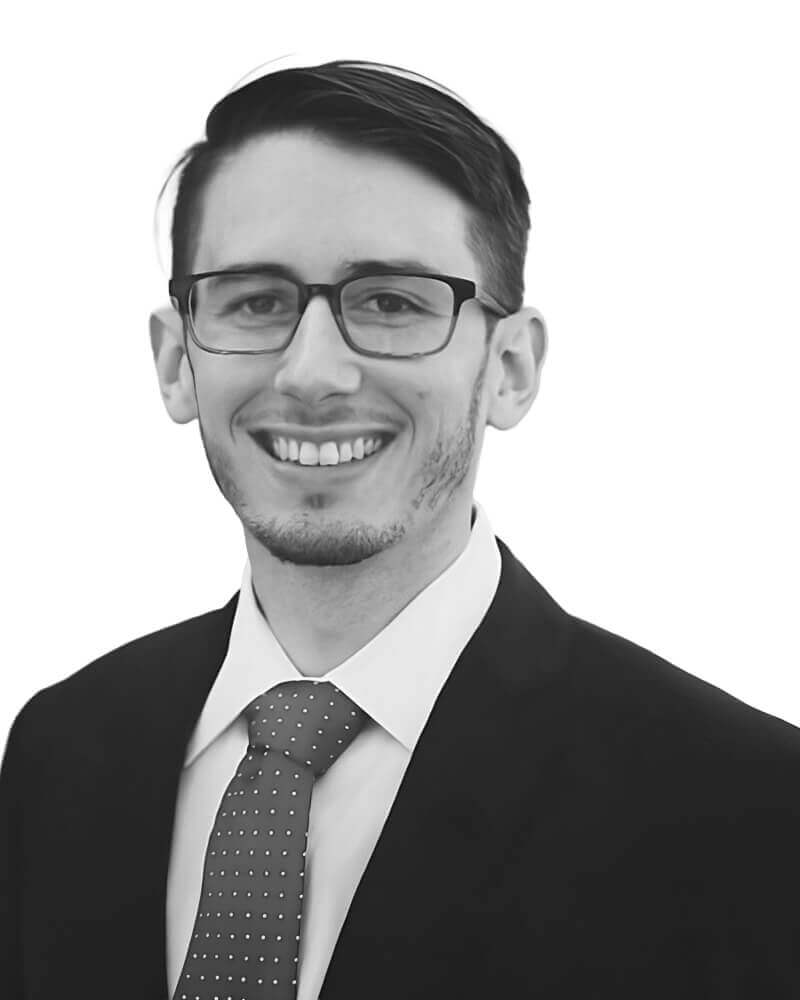
“Service does not end when the uniform comes off. For some people, it is only just beginning.”
From Florida to the Night Stalkers
Ricky Ditzel Jr. grew up in Florida with his siblings Alexis and John Anthony, carrying from a young age a quiet but powerful desire to build something better for his family and for the people around him. That desire led him straight to the United States Army.
He started as an airborne infantry medic within Special Operations Command, learning to deliver trauma care in conditions most people never encounter. He was good at it. He wanted more. He had originally planned to join the 75th Ranger Regiment, but something changed that path. That change took him somewhere few people ever reach, the 160th Special Operations Aviation Regiment, known throughout the military as the “Night Stalkers”.
They fly at night, at speed, at low altitude, on missions that rarely become public knowledge. Their medics are among the most skilled in-flight trauma care providers in any armed force on earth.
Ricky spent the second half of his eight-year career in that role, as a Special Operations Critical Care Flight Paramedic, responsible for keeping critically injured operators alive in the air, between the point of impact and the moment they reached a surgeon.
What He Saw in the Field that He Could Not Forget
Over deployments to Iraq and Afghanistan, Ricky witnessed something that stayed with him long after he came home. He was treating service members whose brains had absorbed repeated blast exposures, operators who returned from deployment changed in ways that were real and significant, but nearly impossible to capture on a scan or name precisely in a report.
Traumatic brain injury in its subtler forms is among the most underdiagnosed and consequential injuries in modern military medicine.
Ricky had watched it up close, in the backs of aircraft, in the field, in the faces of people he was doing everything he could to save. He came home carrying one question:
“What would it actually take to help them in a lasting way?”
He decided the only honest answer was to become a physician.
The Decision That Followed Him Home
Two days after being honorably discharged in 2020, Ricky was in New York City serving as Clinical Operations Director of a COVID-19 field hospital that a group of veterans had built in response to the pandemic. He then moved to Milstein Hospital as Tracheostomy Care Team leader for critically ill patients, bringing the same precision he had developed in special operations medicine to a civilian crisis that had overwhelmed the city.
He also served as a peer reviewer for the Congressionally Directed Medical Research Program’s Combat Readiness-Medical Research Program, contributing to combat trauma science at the same time he was managing a pandemic ward.
He could have taken a breath. He chose not to.
If the Path Doesn’t Exist, YOU Build It
Ricky knew that the journey from special operations medicine to medical school was one that few people had walked before him. He wanted to change that, not just for himself, but for every service member who carried the same ambition.
So he built a bridge. He co-founded Special Operations Forces to School of Medicine (SOF to SOM), a nonprofit that guides Special Operations service members through every stage of the journey to a medical degree. He chairs its board while studying full-time at Rush Medical College.
He also contributed to the new traumatic brain injury guidelines in the latest edition of the Tactical Combat Casualty Care Guidelines, the protocols that govern how military medics treat brain injuries at the point of injury in the field.
What he witnessed on those Night Stalker missions is now written into the standard of care for every medic who comes after him.
What Ricky’s Story Leaves Us With
Every chapter of Ricky’s life has pointed toward the same thing: the people who need the most from whoever is standing in front of them. He answered that call as a Night Stalker medic in the most demanding environments the Army could put him in. He answered it during a pandemic. He is answering it now in a medical school classroom.
Some people choose the harder path because they believe it leads somewhere that matters. Ricky has always been one of those people. He is not finished yet.